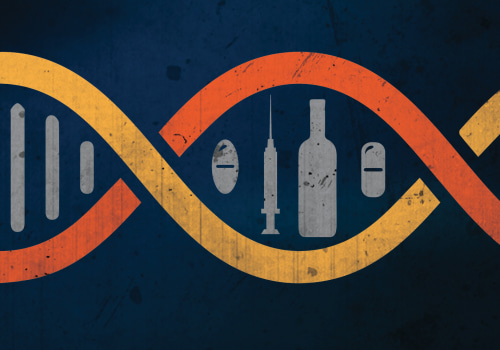
Addiction is a multifaceted condition that affects millions of individuals across the United States, and Ohio is no exception. The state has been grappling with a significant addiction crisis, particularly in relation to opioid use, which has devastated families and communities alike. Understanding addiction is crucial for anyone seeking to navigate the complexities of this disease, as it encompasses not only the physical dependence on substances but also the emotional and psychological struggles that accompany it. The impact of addiction extends beyond the individual, affecting loved ones, workplaces, and society as a whole. In Ohio, the statistics surrounding addiction are alarming.
According to recent reports, thousands of residents are affected by substance use disorders, leading to increased rates of overdose and fatalities. This crisis highlights the urgent need for effective addiction treatment in Ohioaddiction treatment in Ohio, as well as a comprehensive understanding of what addiction truly entails. It is not merely a matter of willpower or moral failing; rather, it is a chronic disease that requires appropriate intervention and support. Addressing addiction involves recognizing its root causes, which can include genetic predispositions, environmental factors, and co-occurring mental health disorders. By understanding these elements, individuals can better comprehend their own struggles or those of their loved ones.
This knowledge serves as a foundation for exploring healthy coping mechanisms and treatment options that can lead to recovery. As we delve deeper into this topic, we will uncover the various strategies available for overcoming addiction and fostering resilience in the face of adversity.
The Landscape of Addiction in Ohio
Ohio has been grappling with a significant addiction crisis, particularly in recent years. The state has seen alarming statistics that highlight the severity of substance abuse issues, especially concerning opioids. According to the Ohio Department of Health, in 2021 alone, there were over 5,200 reported overdose deaths, with a staggering 80% of these deaths involving opioids.This crisis has not only affected individuals but has also had a profound impact on families and communities across the state. The opioid epidemic in Ohio is characterized by a combination of prescription painkillers, heroin, and synthetic opioids like fentanyl. The rise in fentanyl-related overdoses has been particularly concerning, as this substance is significantly more potent than heroin and can lead to rapid overdose. In fact, the Ohio State Highway Patrol reported that fentanyl was involved in nearly 70% of all overdose deaths in the state. Beyond opioids, other substances such as alcohol and methamphetamine are also contributing to the addiction landscape in Ohio. The National Institute on Drug Abuse (NIDA) indicates that alcohol use disorder affects approximately 15 million adults in the U.
S., with many individuals in Ohio struggling with this issue as well. In response to this growing crisis, Ohio has implemented various resources aimed at combating addiction. The state offers a range of treatment options, including inpatient rehabilitation facilities, outpatient programs, and support groups such as Alcoholics Anonymous (AA) and Narcotics Anonymous (NA). Additionally, the Ohio Department of Mental Health and Addiction Services provides a comprehensive directory of treatment services available throughout the state. Furthermore, community organizations and non-profits are actively working to raise awareness about addiction and provide support for those affected. Initiatives such as harm reduction programs aim to reduce the negative consequences associated with drug use while promoting recovery. As the landscape of addiction continues to evolve in Ohio, it is crucial for individuals to seek effective coping mechanisms and treatment options. S., with many individuals in Ohio struggling with this issue as well. In response to this growing crisis, Ohio has implemented various resources aimed at combating addiction. The state offers a range of treatment options, including inpatient rehabilitation facilities, outpatient programs, and support groups such as Alcoholics Anonymous (AA) and Narcotics Anonymous (NA). Additionally, the Ohio Department of Mental Health and Addiction Services provides a comprehensive directory of treatment services available throughout the state. Furthermore, community organizations and non-profits are actively working to raise awareness about addiction and provide support for those affected. Initiatives such as harm reduction programs aim to reduce the negative consequences associated with drug use while promoting recovery. As the landscape of addiction continues to evolve in Ohio, it is crucial for individuals to seek effective coping mechanisms and treatment options.
Understanding the statistics surrounding addiction can help underscore the urgency for change and recovery. By leveraging available resources and support systems, individuals can take proactive steps toward overcoming addiction and leading healthier lives.
Recognizing the Signs of Addiction
Recognizing the signs of addiction is a critical step in addressing substance abuse, whether for yourself or someone you care about. Addiction can manifest in various ways, and being aware of these symptoms can facilitate timely intervention and support.Common Signs of Addiction
- Changes in Behavior: Individuals struggling with addiction often exhibit noticeable changes in their behavior. This may include increased secrecy, withdrawal from social activities, or a sudden change in friends.
-
Neglecting Responsibilities: A person may begin to neglect their responsibilities at work, school, or home.
This can manifest as poor performance, missed deadlines, or a lack of interest in previously enjoyed activities.
- Physical Symptoms: Physical signs can include weight loss or gain, changes in sleep patterns, and deterioration of personal hygiene. Additionally, frequent nosebleeds or track marks may indicate substance use.
- Emotional Instability: Mood swings, irritability, and heightened anxiety are common emotional symptoms associated with addiction. Individuals may also experience depression or feelings of hopelessness.
- Increased Tolerance: Over time, individuals may find that they need to consume more of the substance to achieve the same effects. This increased tolerance is a significant indicator of developing addiction.
-
Withdrawal Symptoms: When not using the substance, individuals may experience withdrawal symptoms such as nausea, sweating, shaking, or intense cravings.
These symptoms can be both physical and psychological.
Recognizing Addiction in Others
If you suspect that someone you know is struggling with addiction, it’s essential to approach the situation with care and empathy. Look for signs such as:
- Frequent absences from work or social gatherings
- Unexplained financial problems or stealing
- Changes in appearance or grooming habits
- A decline in academic or work performance
The Importance of Awareness
Awareness of these signs is crucial for early intervention. If you recognize these symptoms in yourself or someone else, seeking help from addiction treatment resources in Ohio can be a vital step toward recovery. Remember that acknowledging the problem is the first step toward healing and regaining control over one’s life.
The Role of Healthy Coping Mechanisms in Recovery
Healthy coping mechanisms are essential tools that individuals can utilize to navigate the challenges of recovery from addiction.These mechanisms serve as constructive alternatives to substance use, allowing individuals to manage stress, emotions, and triggers effectively. By incorporating healthy coping strategies into their daily lives, those in recovery can significantly enhance their chances of maintaining sobriety and achieving long-term wellness. One of the primary benefits of healthy coping mechanisms is their ability to reduce stress. Stress is a common trigger for relapse, and finding effective ways to manage it is crucial. Activities such as exercise , yoga , and meditation not only promote physical health but also foster mental clarity and emotional stability.
Engaging in regular physical activity releases endorphins, which can improve mood and reduce feelings of anxiety and depression. In addition to physical activities, creative outlets can also serve as powerful coping mechanisms. Engaging in art , writing , or music allows individuals to express their emotions in a healthy way. These activities can provide a sense of accomplishment and fulfillment, helping to combat feelings of emptiness that often accompany addiction recovery. Another critical aspect of developing healthy coping mechanisms is identifying personal triggers. Triggers can be environmental cues, emotional states, or social situations that provoke cravings for substances.
By recognizing these triggers, individuals can create strategies to avoid or cope with them effectively. For instance, if social gatherings are a trigger, one might choose to attend events with a supportive friend or practice assertiveness in declining substances offered by others. A strong support system is also vital in the recovery process. Surrounding oneself with understanding friends, family members, or support groups can provide encouragement and accountability. Sharing experiences with others who have faced similar challenges fosters a sense of community and belonging, which is invaluable during recovery. In conclusion, healthy coping mechanisms play a pivotal role in overcoming addiction.
By actively engaging in stress-reducing activities, expressing emotions creatively, identifying triggers, and building a supportive network, individuals can develop resilience against relapse. Recovery is not merely about abstaining from substances; it is about cultivating a fulfilling life that embraces wellness and personal growth.
Types of Healthy Coping Mechanisms
Developing healthy coping mechanisms is essential for anyone on the journey to recovery from addiction. These mechanisms not only help manage stress but also provide constructive ways to deal with life's challenges. Below are several effective types of coping strategies that can significantly aid in the recovery process.Mindfulness Practices
Mindfulness involves being present in the moment and fully engaging with your thoughts and feelings without judgment.This practice can be particularly beneficial for individuals recovering from addiction, as it helps to:
- Reduce anxiety: Mindfulness techniques such as meditation and deep breathing can lower stress levels, making it easier to cope with cravings.
- Enhance self-awareness: By practicing mindfulness, individuals can better understand their triggers and emotional responses, allowing for more effective management of these factors.
- Improve emotional regulation: Mindfulness helps in recognizing and processing emotions, reducing the likelihood of turning to substances as a coping mechanism.
Physical Exercise
Engaging in regular physical activity is another powerful coping mechanism. Exercise has numerous benefits for both physical and mental health, including:- Releasing endorphins: Physical activity stimulates the production of endorphins, which are natural mood lifters that can help alleviate feelings of depression and anxiety.
- Building resilience: Regular exercise can enhance overall resilience, making it easier to face challenges without resorting to substance use.
- Creating structure: Establishing a consistent exercise routine can provide a sense of purpose and structure in daily life, which is crucial during recovery.
Creative Outlets
Expressing oneself through creative activities such as art, music, or writing can serve as a therapeutic outlet. These activities allow individuals to:- Process emotions: Creative expression can help articulate feelings that may be difficult to verbalize, providing a safe space for emotional release.
- Enhance self-esteem: Engaging in creative pursuits can foster a sense of accomplishment and boost self-worth, which is often diminished during addiction.
- Distract from cravings: Focusing on creative projects can serve as a healthy distraction from cravings and negative thoughts.
Social Support
A strong support network is vital for anyone recovering from addiction. Connecting with others who understand your journey can provide:- A sense of belonging: Being part of a community reduces feelings of isolation and loneliness that often accompany addiction.
- Accountability: Friends, family, or support groups can help keep you accountable in your recovery journey, encouraging you to stay on track.
- Emotional support: Sharing experiences with others who have faced similar challenges fosters empathy and understanding, which can be incredibly healing.
By actively engaging in mindfulness practices, physical exercise, creative outlets, and building social support networks, individuals can create a robust foundation for lasting recovery.
Developing a Personalized Coping Strategy
Creating a personalized coping strategy is essential for anyone on the journey to recovery from addiction. A tailored approach not only addresses individual needs but also enhances the effectiveness of coping mechanisms. Here are some steps to help you develop a coping plan that works for you.1.Assess Your Triggers
- Begin by identifying specific situations, emotions, or environments that trigger cravings or stress. Keeping a journal can be an effective way to track these triggers over time.
- Consider both external triggers, such as certain places or people, and internal triggers, like feelings of anxiety or sadness.
2.Set Realistic Goals
- Establish achievable goals that align with your recovery journey.
These could range from daily objectives, like practicing mindfulness for ten minutes, to long-term goals, such as attending a support group regularly.
- Make sure your goals are specific, measurable, attainable, relevant, and time-bound (SMART). This framework can help you stay focused and motivated.
3.Incorporate Healthy Habits
- Integrate activities that promote physical and mental well-being into your daily routine. Regular exercise, balanced nutrition, and adequate sleep are foundational elements of a healthy lifestyle.
- Explore hobbies that bring you joy and fulfillment, such as painting, gardening, or playing a musical instrument. Engaging in creative outlets can serve as a powerful distraction from cravings.
4.Build a Support Network
- Surround yourself with supportive individuals who understand your journey.
This could include family members, friends, therapists, or members of support groups.
- Don’t hesitate to reach out for help when you need it. Having someone to talk to can make a significant difference in managing stress and avoiding relapse.
5.Regularly Review and Adjust Your Plan
- Your coping strategy should be dynamic and adaptable. Regularly assess what is working and what isn’t, and be open to making changes as needed.
- Consider scheduling monthly check-ins with yourself to evaluate your progress and adjust your goals accordingly.
The Importance of Support Systems in Recovery
Recovery from addiction is a challenging journey, and having a robust support system can make all the difference.The role of family, friends, and support groups is crucial in providing the encouragement and accountability needed to navigate the complexities of recovery.
Family and Friends: The Backbone of Support
Family members and close friends often serve as the first line of support for individuals in recovery. Their understanding and compassion can create a safe environment where individuals feel comfortable sharing their struggles. Here are some ways family and friends can contribute:
- Emotional Support: Having someone to talk to about feelings, fears, and challenges can alleviate feelings of isolation. Emotional support helps individuals feel valued and understood.
-
Accountability: Friends and family can help keep individuals accountable for their recovery goals.
Regular check-ins or discussions about progress can motivate individuals to stay on track.
- Encouragement: Positive reinforcement from loved ones can boost self-esteem and confidence. Celebrating small victories together fosters a sense of achievement.
The Role of Support Groups in Ohio
In addition to personal relationships, support groups play a vital role in recovery. These groups provide a community of individuals who share similar experiences, creating a sense of belonging. In Ohio, various support groups are available, including:
- 12-Step Programs: Programs like Alcoholics Anonymous (AA) and Narcotics Anonymous (NA) offer structured support through shared experiences and accountability.
- Peer Support Groups: These groups focus on connecting individuals with peers who have faced similar challenges, fostering mutual understanding and encouragement.
- Online Support Communities: For those who may find it difficult to attend in-person meetings, online platforms provide an accessible way to connect with others in recovery.
The Importance of Open Communication
Effective communication is essential within any support system.
Family members should be encouraged to express their feelings openly while also being receptive to the needs of the individual in recovery. This two-way communication fosters trust and strengthens relationships. In conclusion, building a strong support system is fundamental for anyone seeking recovery from addiction. Whether through family, friends, or organized support groups in Ohio, having a network of understanding individuals can significantly enhance the recovery experience. By leaning on these connections, individuals can find the strength to overcome challenges and maintain their commitment to sobriety.
Resources for Addiction Treatment in Ohio
Ohio offers a variety of resources for individuals seeking addiction treatment, making it easier for those struggling with substance use disorders to find the help they need.Understanding the available options can empower individuals on their recovery journey.
Rehab Facilities in Ohio
Rehabilitation facilities are often the first step in the recovery process. These facilities provide structured environments where individuals can receive comprehensive treatment for their addiction. In Ohio, there are numerous rehab centers that cater to different needs:- Inpatient Rehab: These programs offer 24/7 care and support, allowing individuals to focus solely on their recovery without external distractions. Facilities like BrightView and OhioGuidestone provide intensive therapy and medical supervision.
-
Outpatient Rehab: For those who may not require full-time care, outpatient programs allow individuals to attend therapy sessions while maintaining their daily responsibilities.
Options such as NorthEast Ohio Recovery offer flexible schedules to accommodate work or family commitments.
- Detox Centers: Detoxification is often the first step in treatment, especially for those with severe addictions. Facilities like Recovery Resources provide medically supervised detox services to ensure safety and comfort during withdrawal.
Support Groups in Ohio
Support groups play a crucial role in recovery by providing a sense of community and shared experience. In Ohio, several organizations offer support groups tailored to various needs:- Alcoholics Anonymous (AA): AA meetings are available throughout Ohio, offering peer support for individuals recovering from alcohol addiction.
- Narcotics Anonymous (NA): Similar to AA, NA provides a supportive environment for those recovering from drug addiction, with meetings held in various locations across the state.
- Sober Living Houses: These transitional living environments help individuals maintain sobriety after completing rehab by providing a supportive community and accountability.
Community Resources
Apart from rehab facilities and support groups, Ohio has numerous community resources that can assist individuals in their recovery:- Counseling Services: Many local mental health agencies offer counseling specifically designed for addiction recovery, helping individuals address underlying issues.
- Hotlines: The Ohio Department of Mental Health and Addiction Services provides hotlines for immediate assistance and guidance on finding treatment options.
- Educational Programs: Workshops and seminars on addiction awareness and prevention are available through various community organizations, helping to educate both individuals and families about the challenges of addiction.
Preventing Relapse: Strategies for Long-Term Sobriety
Preventing relapse is a critical component of maintaining long-term sobriety after overcoming addiction.Understanding the factors that can lead to relapse and developing effective strategies to manage them is essential for anyone in recovery. Here are some key strategies to help individuals stay on track and avoid falling back into old habits.
Identifying Triggers
The first step in preventing relapse is recognizing the specific triggers that may lead to cravings or a desire to use substances again. Triggers can be emotional, environmental, or social in nature. Common triggers include:- Stress: High-pressure situations can lead individuals to seek relief through substance use.
- Emotional Distress: Feelings of sadness, anxiety, or anger can prompt a return to old coping mechanisms.
- Social Situations: Being around people who use drugs or alcohol can create temptation.
- Environmental Cues: Places associated with past substance use can trigger cravings.
Developing a Relapse Prevention Plan
Once triggers are identified, it’s important to create a personalized relapse prevention plan.This plan should include:
- Coping Strategies: Develop healthy coping mechanisms such as mindfulness, exercise, or engaging in hobbies that provide joy and fulfillment.
- A Support Network: Surround yourself with supportive friends, family members, or recovery groups who understand your journey and can offer encouragement during tough times.
- A List of Emergency Contacts: Have a list of people you can reach out to when you feel vulnerable or at risk of relapse.
- A Schedule of Activities: Keep yourself busy with structured activities that promote well-being and distract from cravings.
Practicing Self-Care
Self-care is vital for maintaining sobriety. Regularly engaging in activities that promote physical and mental health can significantly reduce the risk of relapse. Consider incorporating the following into your routine:- Regular Exercise: Physical activity releases endorphins, which can improve mood and reduce stress.
- Nutritional Eating: A balanced diet supports overall health and well-being, making it easier to cope with stressors.
- Sufficient Sleep: Prioritize rest to ensure your body and mind are functioning optimally.
Remember that recovery is a continuous journey, and utilizing these strategies will help pave the way for a healthier, drug-free life.
<strong>Conclusion</strong>: Embracing Recovery Through Healthy Coping Mechanisms
In conclusion, the journey of addiction recovery is a multifaceted process that requires dedication, resilience, and the right tools to navigate the challenges ahead. Throughout this article, we have explored the critical role that healthy coping mechanisms play in overcoming addiction, particularly in the context of addiction treatment in Ohio. It is essential to recognize that recovery is not merely about abstaining from substances; it is about transforming one’s life and developing a new set of skills to handle stress and emotional turmoil. As we have discussed, identifying triggers and understanding their impact on behavior is a vital step in this process. By recognizing what leads to cravings or relapse, individuals can proactively implement strategies to manage these situations.This might involve engaging in activities that promote well-being, such as exercise, meditation, or creative pursuits. These alternatives not only provide a distraction but also foster a sense of accomplishment and joy. Moreover, building a robust support system cannot be overstated. Whether through family, friends, or support groups, having people who understand your journey can make a significant difference. They offer encouragement during tough times and celebrate your successes along the way.
In Ohio, numerous resources are available to assist individuals in finding the right support network tailored to their needs. It is also crucial to emphasize that developing healthy coping mechanisms is an ongoing process. It requires continuous effort and self-reflection. Individuals should remain open to exploring new strategies and adapting their approaches as they grow in their recovery journey. This adaptability can lead to discovering what truly works for them, enhancing their ability to cope with life’s challenges without resorting to substance use. Ultimately, embracing recovery through healthy coping mechanisms is not just about avoiding relapse; it’s about creating a fulfilling life free from addiction.
By prioritizing mental health and well-being, individuals can pave the way for a brighter future. Remember, seeking help is a sign of strength, and with the right resources and support in Ohio, anyone can embark on this transformative journey toward lasting recovery.